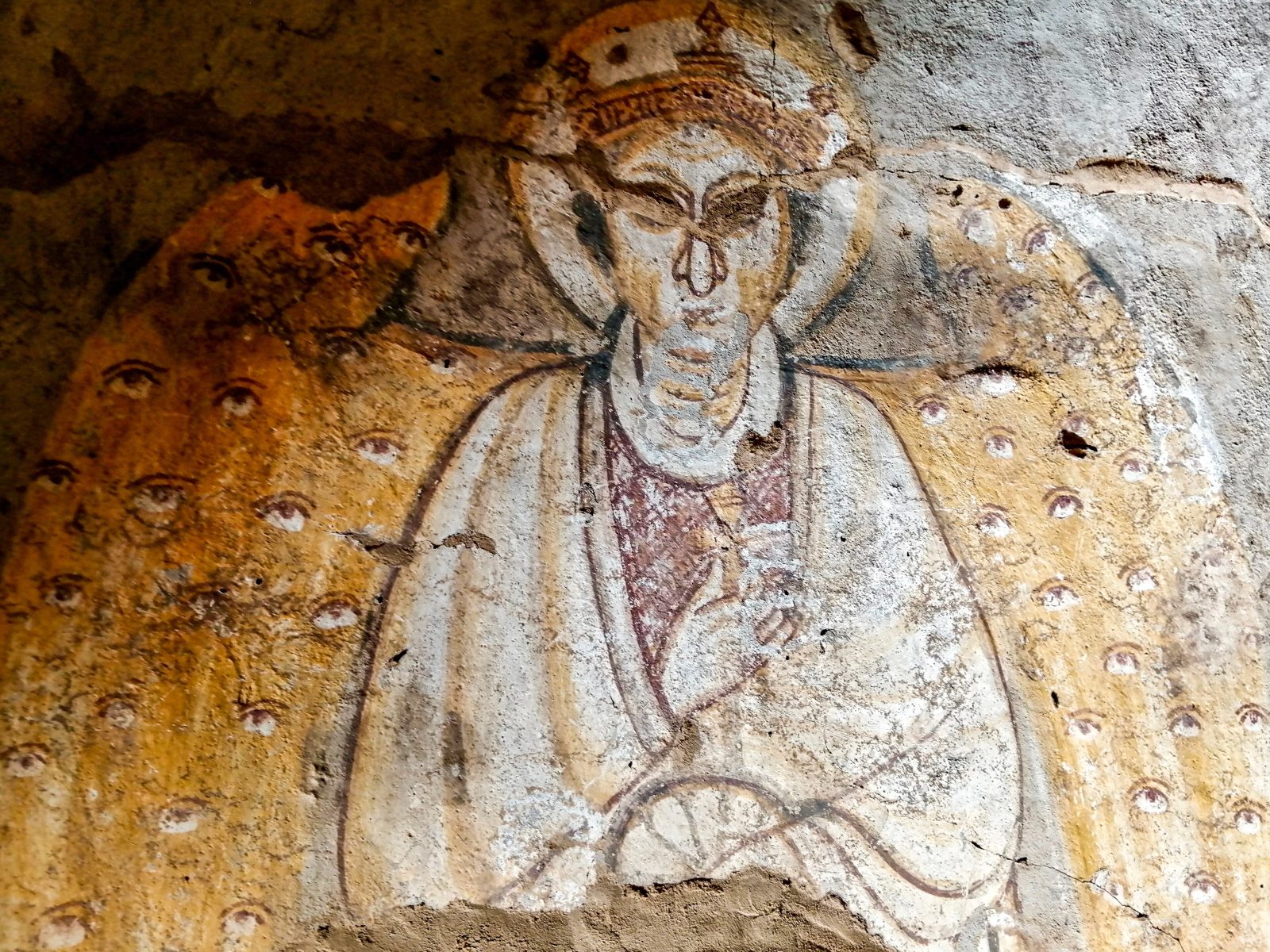
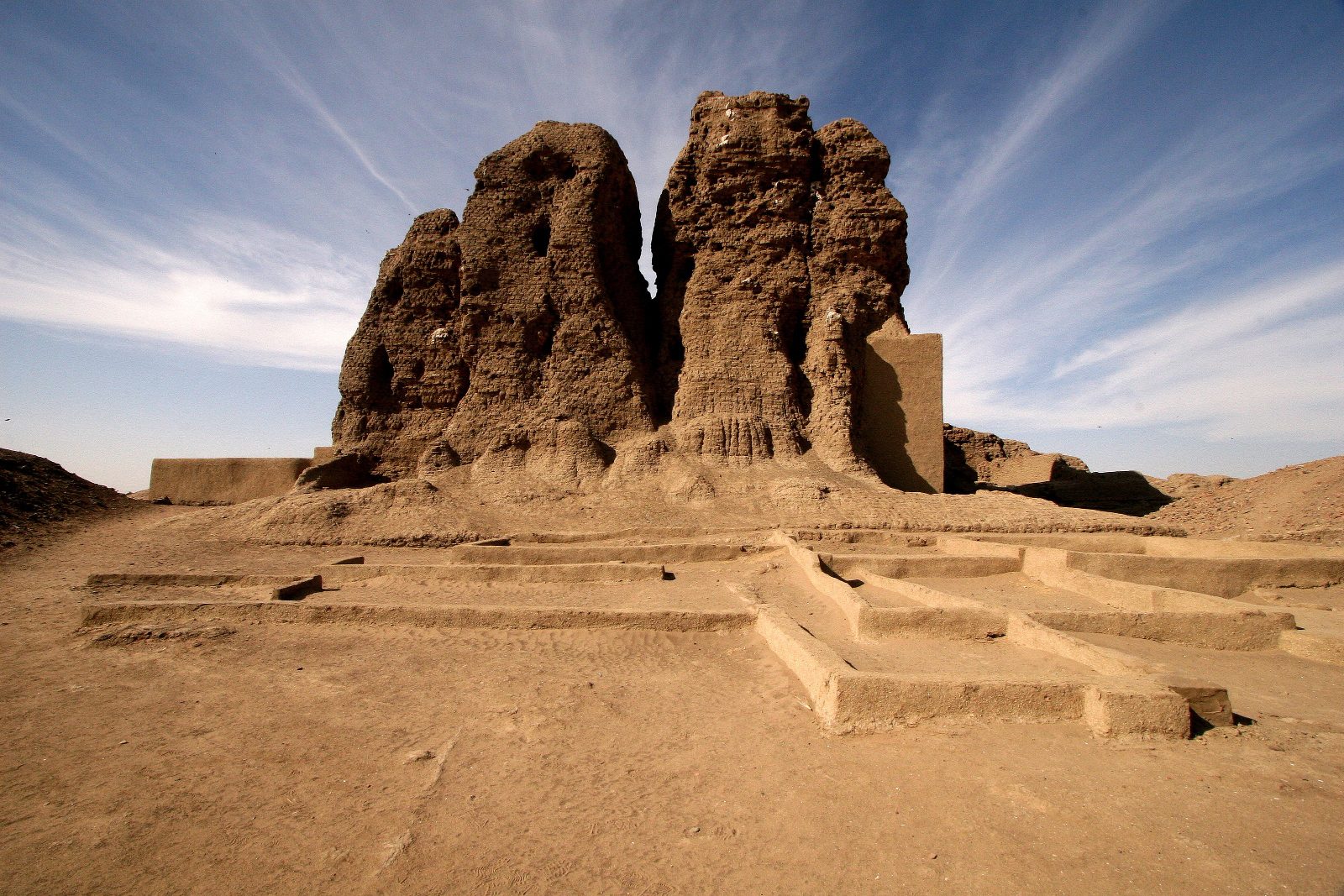
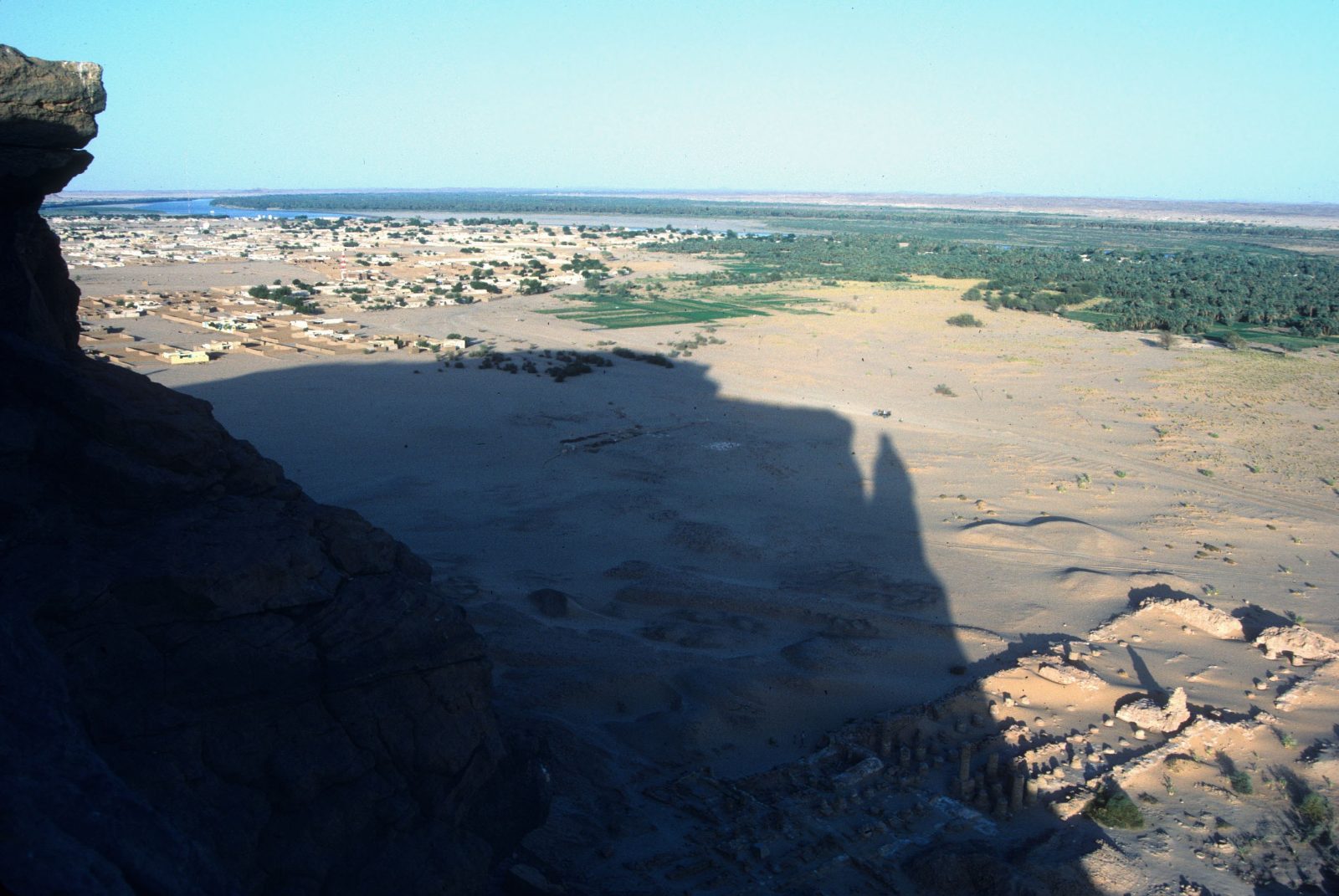
Kush had written in Egyptian hieroglyphs for centuries. Then, in about the 3rd century BC, its scribes built something of their own: two scripts for one language — a hieroglyphic form for monuments and temple walls, and a flowing cursive for everyday writing, on papyrus, parchment, potsherds and ostraca. The cursive did the daily work; the hieroglyphs did the ceremony.
Twenty-three signs, and one invention
Each script carries 23 signs: 15 consonants, 4 vowels — one of them only ever appearing at the start of a word — and 4 syllable signs, for ne, se, te and to. Texts ran right to left, and sometimes vertically.
And Meroitic did something almost no ancient script did: it marked where one word ended and the next began, with a separator resembling a colon. Egyptian hieroglyphs ran unbroken. Greek ran unbroken. Kush wrote with the equivalent of spaces, more than two thousand years ago.
Deciphered, and still silent
In 1909 the British archaeologist Francis Llewellyn Griffith found the key — a stand bearing the names of Meroitic rulers in both Meroitic and Egyptian hieroglyphs. From it he matched the two Meroitic scripts to each other and to sound. Every sign can now be pronounced.
What is still missing is meaning. There is no Rosetta Stone for Meroitic — no long bilingual text against a language we know. So a few thousand surviving inscriptions can be read aloud and only partly understood: royal names, gods, titles, borrowed Egyptian words. The linguist Claude Rilly has since placed Meroitic in the Northern Eastern Sudanic branch of Nilo-Saharan, alongside Nubian, Nara, Tama and Nyimang — which is slowly opening the vocabulary from the side.
It is, in the most literal sense, a living archive still waiting to be read.