2500 BC – 350 AD
The Hall of Kush
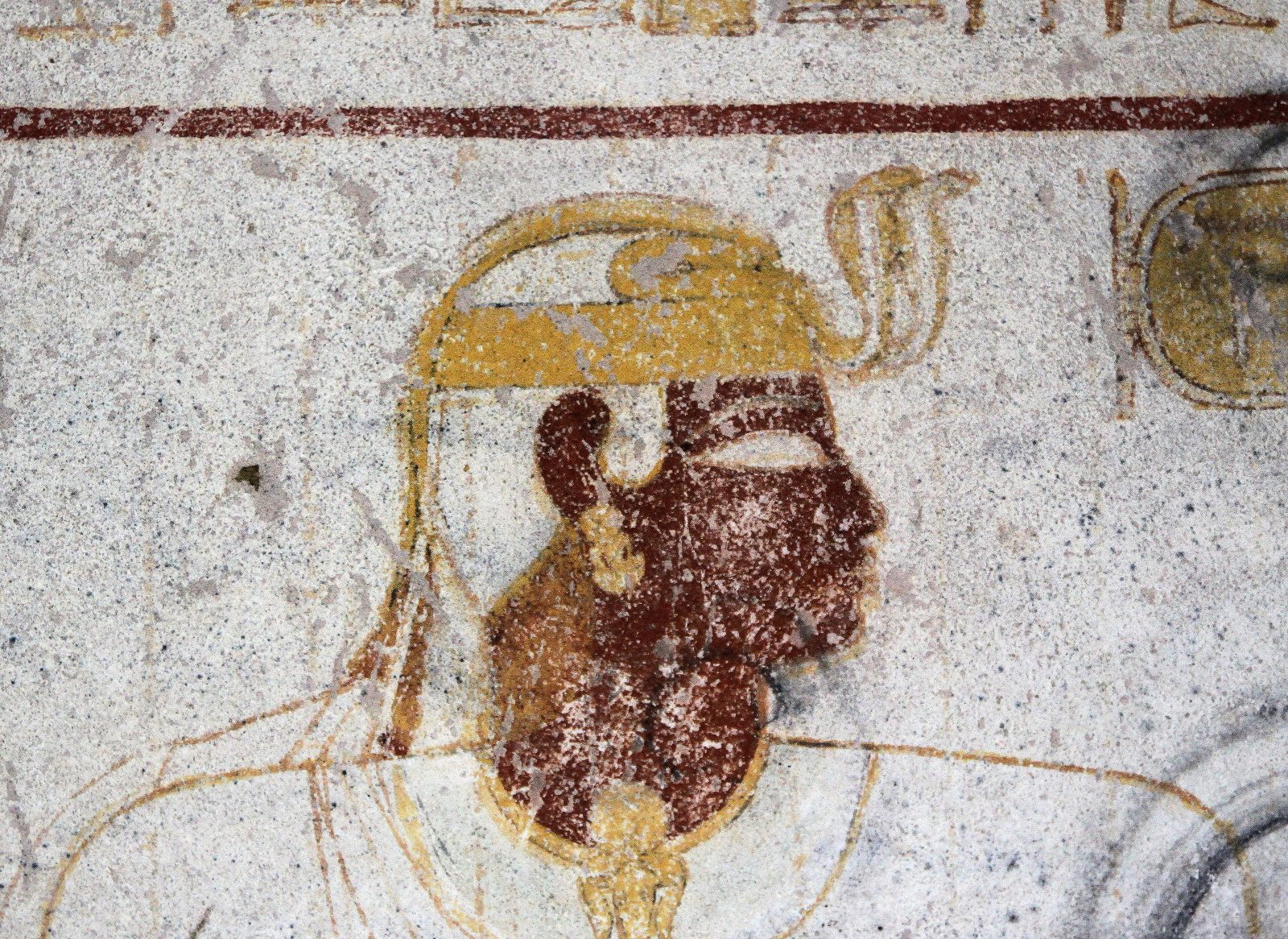
The colossal granite statues of the Black Pharaohs — Taharqa, Anlamani, Aspelta — stand shoulder to shoulder, brought from the holy mountain. Around them, the gold of the queens and a script no one has fully read.
- Statues of the 25th Dynasty — the kings who ruled from Napata.
- The gold of Gebel Barkal — jewellery of the kandakes, the warrior queens.
- Meroitic tablets — Africa's oldest written alphabet after Egypt's, still only half-deciphered.
- The ram of Amun — the god who lived inside the mountain.
2500 ق.م – 350 م
قاعة كوش
تماثيل الغرانيت الهائلة للفراعنة السود — تهارقا وأنلماني وأسبلتا — تقف كتفاً إلى كتف، جيء بها من الجبل المقدس. وحولها ذهبُ الملكات وكتابةٌ لم يقرأها أحدٌ كاملةً بعد.
- تماثيل الأسرة 25 — الملوك الذين حكموا من نبتة.
- ذهب جبل البركل — حليّ الكنداكات، الملكات المحاربات.
- ألواح مروية — أقدم أبجدية مكتوبة في أفريقيا بعد جارتها، ما زالت نصف مفكوكة.
- كبش آمون — الإله الذي سكن داخل الجبل.
2500 av. J.-C. – 350 apr.
La salle de Kush
Les statues colossales des pharaons noirs — Taharqa, Anlamani, Aspelta — épaule contre épaule, venues de la montagne sacrée. Autour d'elles, l'or des reines et une écriture que nul n'a entièrement lue.
2500 a.C. – 350 d.C.
La sala de Kush
Las estatuas colosales de los faraones negros — Taharqa, Anlamani, Aspelta — hombro con hombro, traídas de la montaña sagrada. A su alrededor, el oro de las reinas y una escritura que nadie ha leído por completo.
2500 v. Chr. – 350 n. Chr.
Die Halle von Kusch
Die kolossalen Granitstatuen der Schwarzen Pharaonen — Taharqa, Anlamani, Aspelta — Schulter an Schulter, vom heiligen Berg gebracht. Um sie das Gold der Königinnen und eine Schrift, die niemand ganz gelesen hat.