HeritageالتراثPatrimoinePatrimonioErbe

Hands of Sudan. أيادي السودان. Les mains du Soudan. Manos de Sudán. Die Hände Sudans.

A country you can know by its objects — baskets the colour of sunset, doors painted by hand, the slowest cup of coffee on earth. بلدٌ تعرفُه من أشيائه — سلالٌ بلونِ الغروب، وأبوابٌ مرسومةٌ باليد، وأبطأُ فنجانِ قهوةٍ على الأرض. Un pays qu'on reconnaît à ses objets — paniers couleur couchant, portes peintes à la main, le café le plus lent du monde. Un país que se conoce por sus objetos — cestos color atardecer, puertas pintadas a mano, el café más lento del mundo. Ein Land, das man an seinen Dingen erkennt — Körbe in Sonnenuntergangsfarben, von Hand bemalte Türen, der langsamste Kaffee der Welt.
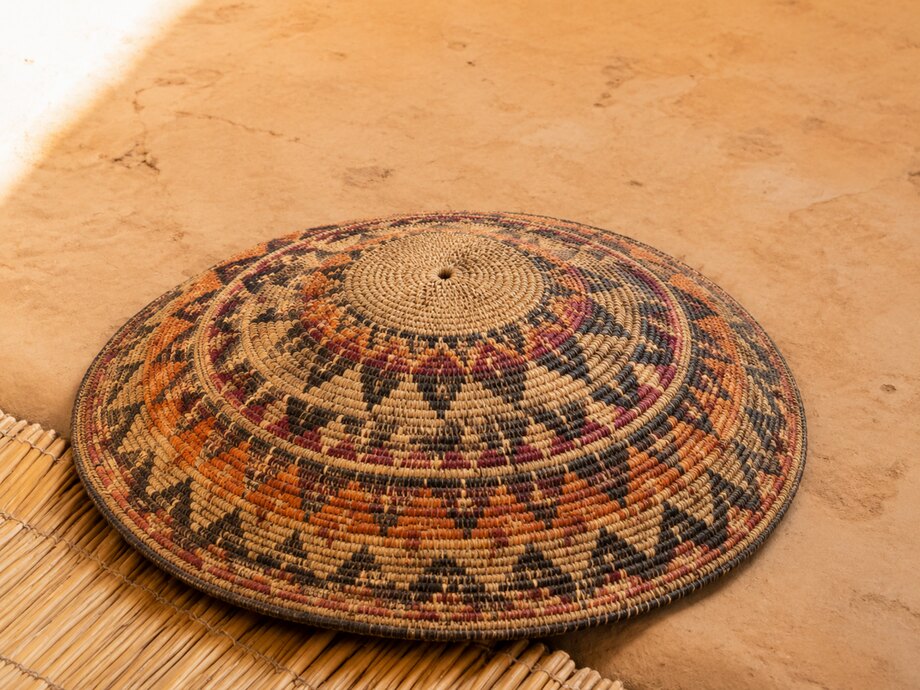
A woven tabag food cover on a mud floor

Tabag

Woven basketsسلال منسوجةPaniers tressésCestos trenzadosGeflochtene Körbe

Hand-coiled palm fibre dyed in sunset reds and indigo — made in every village, gifted at every wedding.ألياف نخيلٍ ملفوفةٌ باليد، مصبوغةٌ بأحمرِ الغروبِ والنيلي — تُصنعُ في كلِّ قريةٍ وتُهدى في كلِّ عُرس.

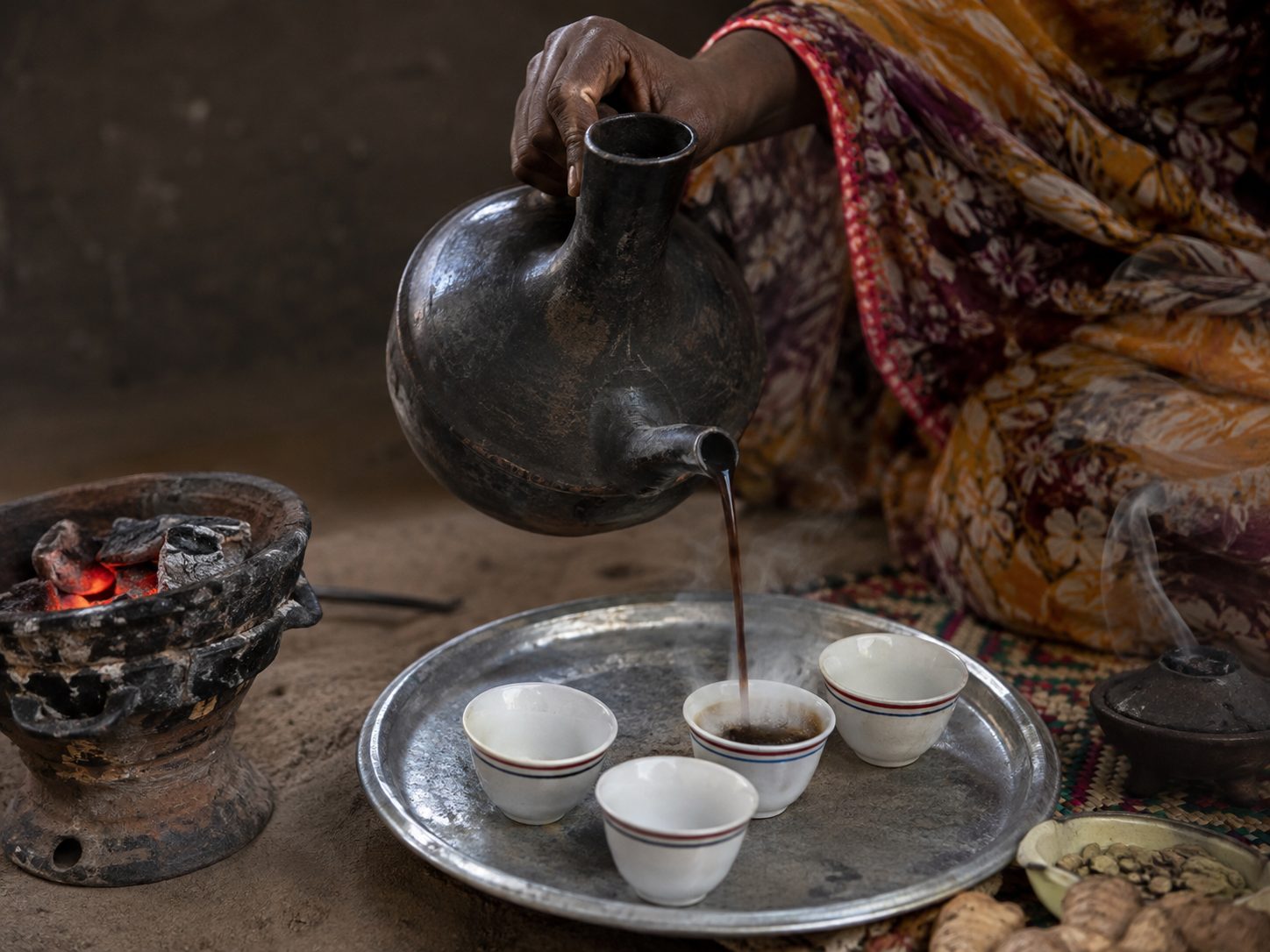
Jebena coffee

Jebena

The clay coffee potإبريق القهوة الطينيLa cafetière en argileLa cafetera de arcillaDie Tonkanne

Roasted beans, ginger, cardamom, cloves — boiled three times, drunk slow on a small carpet. Refusing is impossible.بنٌّ محمّص، وزنجبيل، وهيل، وقرنفل — تُغلى ثلاثَ مرّات، وتُشربُ على مهلٍ على سجّادةٍ صغيرة. الرفضُ مستحيل.

Painted Nubian door

Bāb Nūbī

Painted Nubian doorsالأبواب النوبيّةPortes nubiennesPuertas nubiasNubische Türen

Bright blue, ochre and red — protection, blessing, welcome. Each door tells the family who lives behind it.أزرقُ ساطع، ومغرة، وأحمر — حمايةٌ وبركةٌ وترحيب. كلُّ بابٍ يحكي عن العائلةِ التي خلفَه.

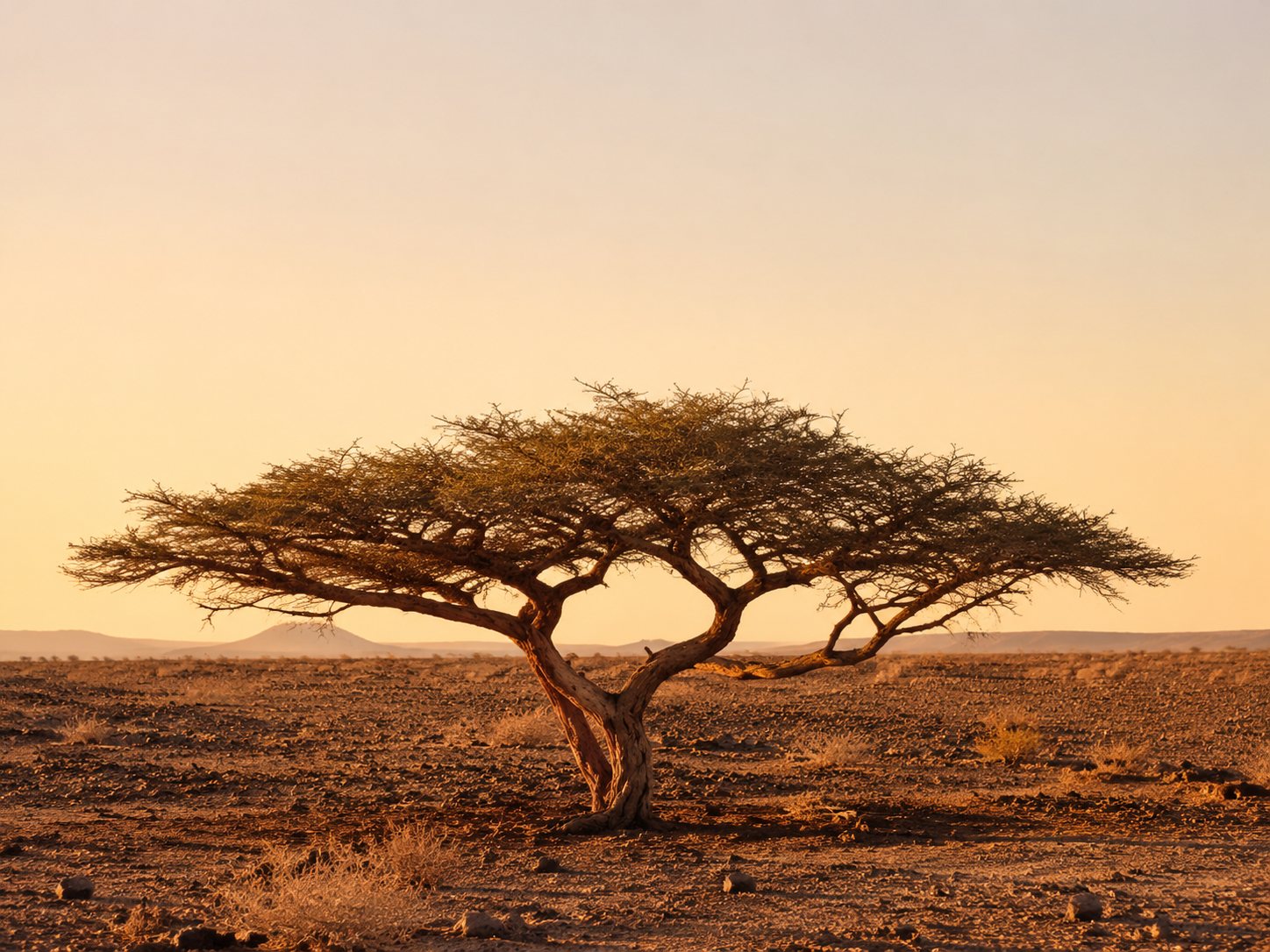
A lone umbrella acacia at sunset

Sayyāl

The acacia treeشجرة السنطL'acaciaLa acaciaDie Akazie

The umbrella thorn — Sudan's national tree, shading caravans for four thousand years. It bleeds gum arabic, the country's old gold.شجرةُ السنط — الشجرةُ الوطنيّةُ للسودان، تُظلّلُ القوافلَ منذ أربعةِ آلافِ عام. تنزفُ الصمغَ العربيَّ، ذهبَ البلادِ القديم.

Saqr al-katāba

The secretary birdطائر السكرتيرLe messager sagittaireEl ave secretariaDer Sekretär

Long-legged, snake-hunting, crowned with quills like a scribe's pen. It walks the southern savannah with the dignity of a magistrate.طويلُ الساقين، صيّادُ الأفاعي، متوَّجٌ بريشٍ كقلمِ كاتب. يجوبُ سافانا الجنوبِ بوقارِ قاضٍ.

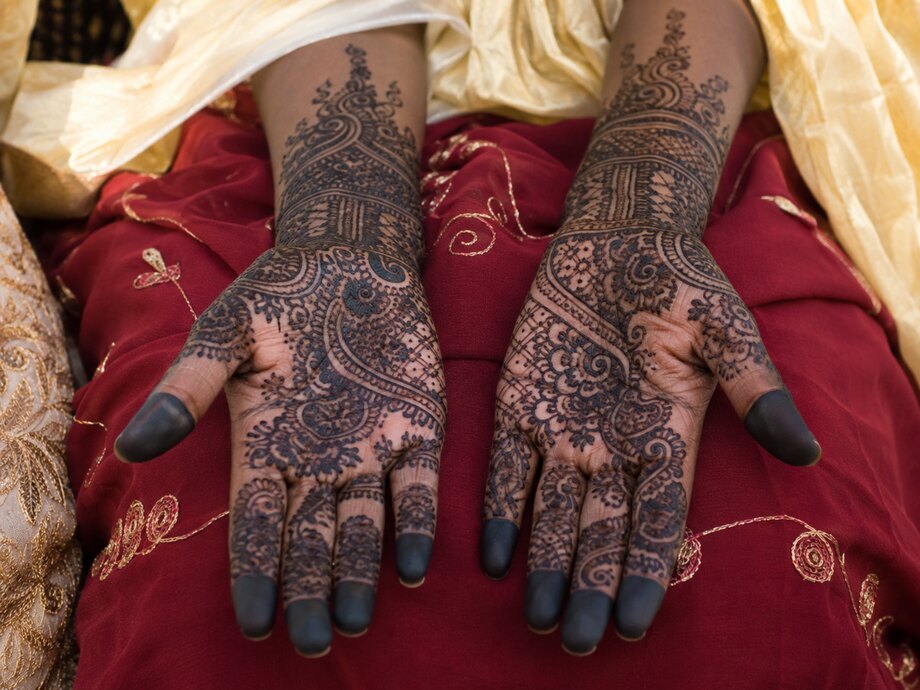
Bridal hands worked in black henna

Henna

Bridal hennaحنّاء العروسHenné nuptialHenna nupcialBraut-Henna

Black henna patterns on hands and feet — a week-long Sudanese wedding ritual older than the cities it is drawn in.نقوشُ حنّاءٍ سوداءُ على الأيدي والأقدام — طقسُ عُرسٍ سودانيٌّ يمتدُّ أسبوعاً، أقدمُ من المدنِ التي يُرسمُ فيها.

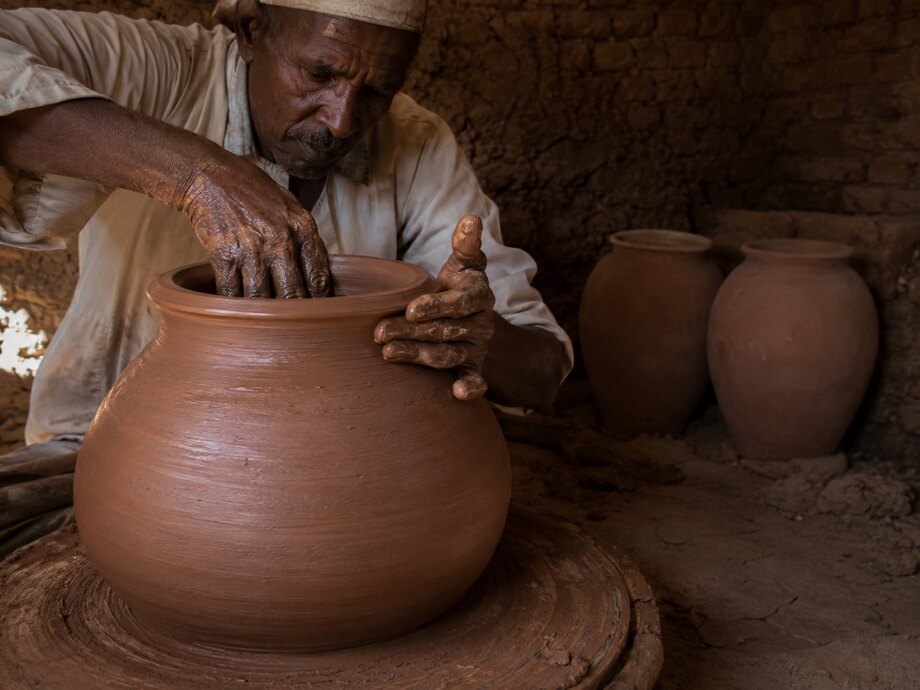
A potter shaping a clay vessel on the wheel

Fakhār

The potter's wheelدولاب الفخّارLe tour du potierEl torno del alfareroDie Töpferscheibe

Nile clay thrown into zeer water jars and jebena pots — a craft unbroken since Kerma fired the first kilns in Africa.طينُ النيل يُشكَّل زِيراً للماء وجَبَنةً للقهوة — حرفةٌ لم تنقطع منذ أوقدت كرمة أوّل أفران أفريقيا.

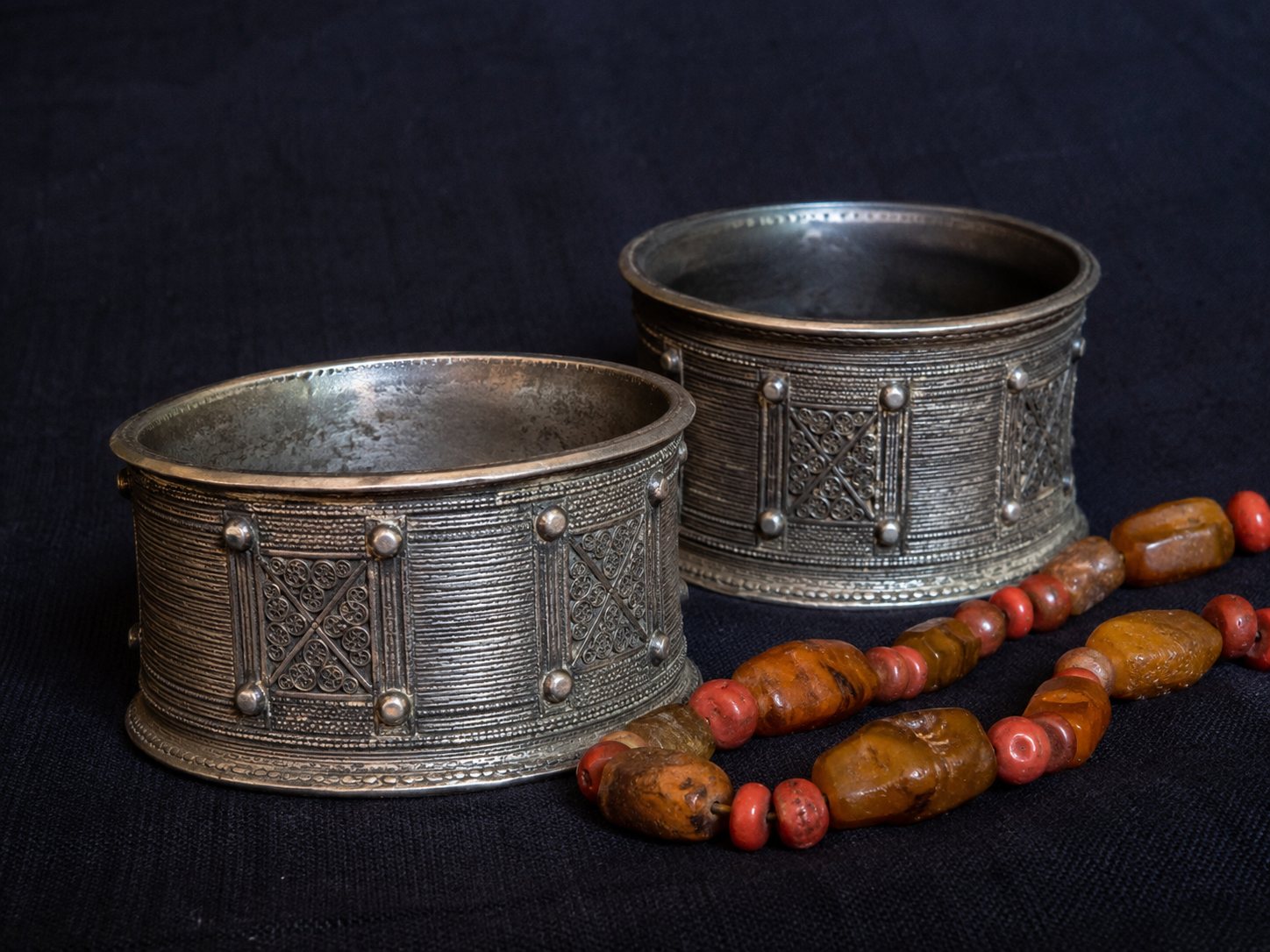
Nubian silver bangles with amber and coral beads

Fiḍḍa

Nubian silverالفضّة النوبيّةL'argent nubienLa plata nubiaNubisches Silber

Filigree bangles, amber and coral — a bride's silver is her own property, worked by hands that learned the patterns from their mothers.أساورُ مُخرَّمة وكهرمانٌ ومرجان — فضّةُ العروس مِلكُها وحدها، تصوغها أيادٍ تعلّمت النقوش عن أمّهاتها.

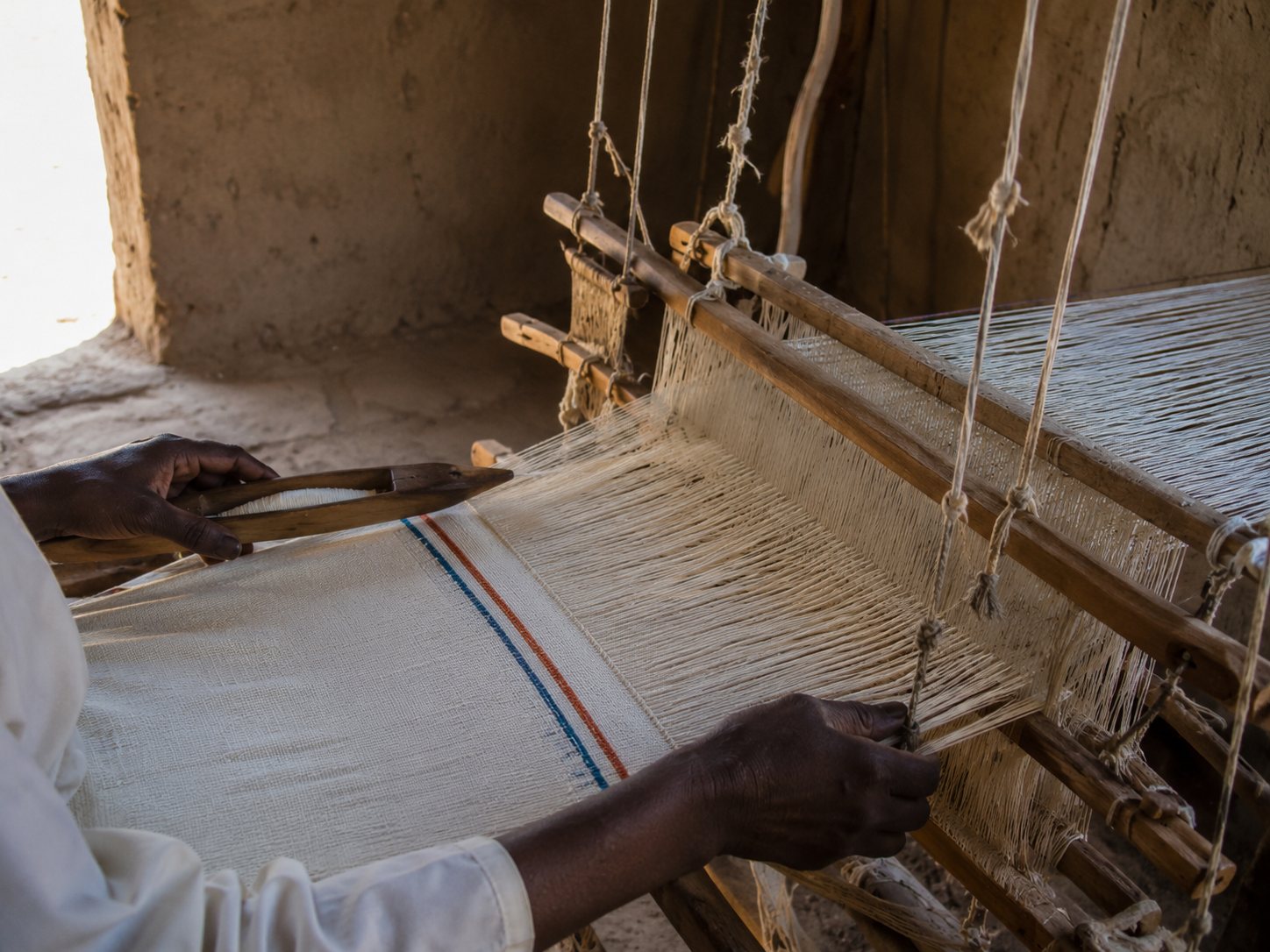
Hands weaving cotton cloth on a wooden loom

Nasīj

The cotton loomنول القطنLe métier à tisserEl telar de algodónDer Baumwollwebstuhl

Sudanese cotton woven into the tobe and the jallabiya — one shuttle, two coloured threads, a whole country's dress.قطنٌ سودانيّ يُنسَج ثوباً وجلّابية — مكّوكٌ واحد، وخيطان ملوّنان، ولباسُ بلدٍ بأكمله.

Zayy Qawmī

The national dressالزيّ القوميّLe costume nationalEl traje nacionalDie Nationaltracht

The jallabiya — a wide white cotton robe cut for heat, worn with the imma, a long turban wound over an embroidered cap, and markoub leather sandals. White because it turns the sun away, and because arriving clean is a courtesy to your host. الجلّابية — ثوبٌ قطنيّ أبيض واسع مفصّل للحرّ، يُلبَس مع العمّة، وهي شاشٌ طويل يُلَفّ فوق طاقيةٍ مطرّزة، والمركوب الجلديّ في القدمين. أبيضُ لأنه يردّ الشمس، ولأنّ الوصول نظيفاً كرامةٌ لصاحب البيت. La jallabiya, ample robe de coton blanc, portée avec l'imma — long turban enroulé sur une calotte brodée — et les sandales markoub. La yalabiya, amplia túnica de algodón blanco, con la imma —turbante largo sobre un gorro bordado— y las sandalias markoub. Die Dschallabija, weites weißes Baumwollgewand, mit der Imma — langer Turban über bestickter Kappe — und Markoub-Sandalen.

Tobe

The tobeالثوب السودانيّLe tobeEl tobeDer Tobe

Nine metres of cloth, unstitched, wound and shouldered without a single pin. Each pattern carries a name — and Sudanese women have long chosen those names as commentary: on a wedding, a harvest, an election. تسعةُ أمتارٍ من القماش، بلا خياطة، تُلَفّ وتُرمى على الكتف من غير دبّوسٍ واحد. ولكل نقشةٍ اسم — وطالما اختارت السودانيات تلك الأسماء تعليقاً: على عرسٍ، أو حصاد، أو انتخابات. Neuf mètres de tissu, sans couture, drapés sans une seule épingle. Chaque motif porte un nom, souvent choisi comme un commentaire. Nueve metros de tela sin costura, drapeados sin un solo alfiler. Cada estampado lleva un nombre, elegido a menudo como comentario. Neun Meter Stoff, ungenäht, ohne eine einzige Nadel drapiert. Jedes Muster trägt einen Namen — oft als Kommentar gewählt.

"Whoever drinks from the Nile is bound to return." «من شربَ من ماءِ النيل، لا بدَّ أن يعودَ إليه.» « Quiconque boit du Nil est destiné à revenir. » «Quien bebe del Nilo está destinado a volver.» „Wer aus dem Nil trinkt, kehrt gewiss zurück."
Sudanese proverbمثلٌ سودانيّProverbe soudanaisProverbio sudanésSudanesisches Sprichwort