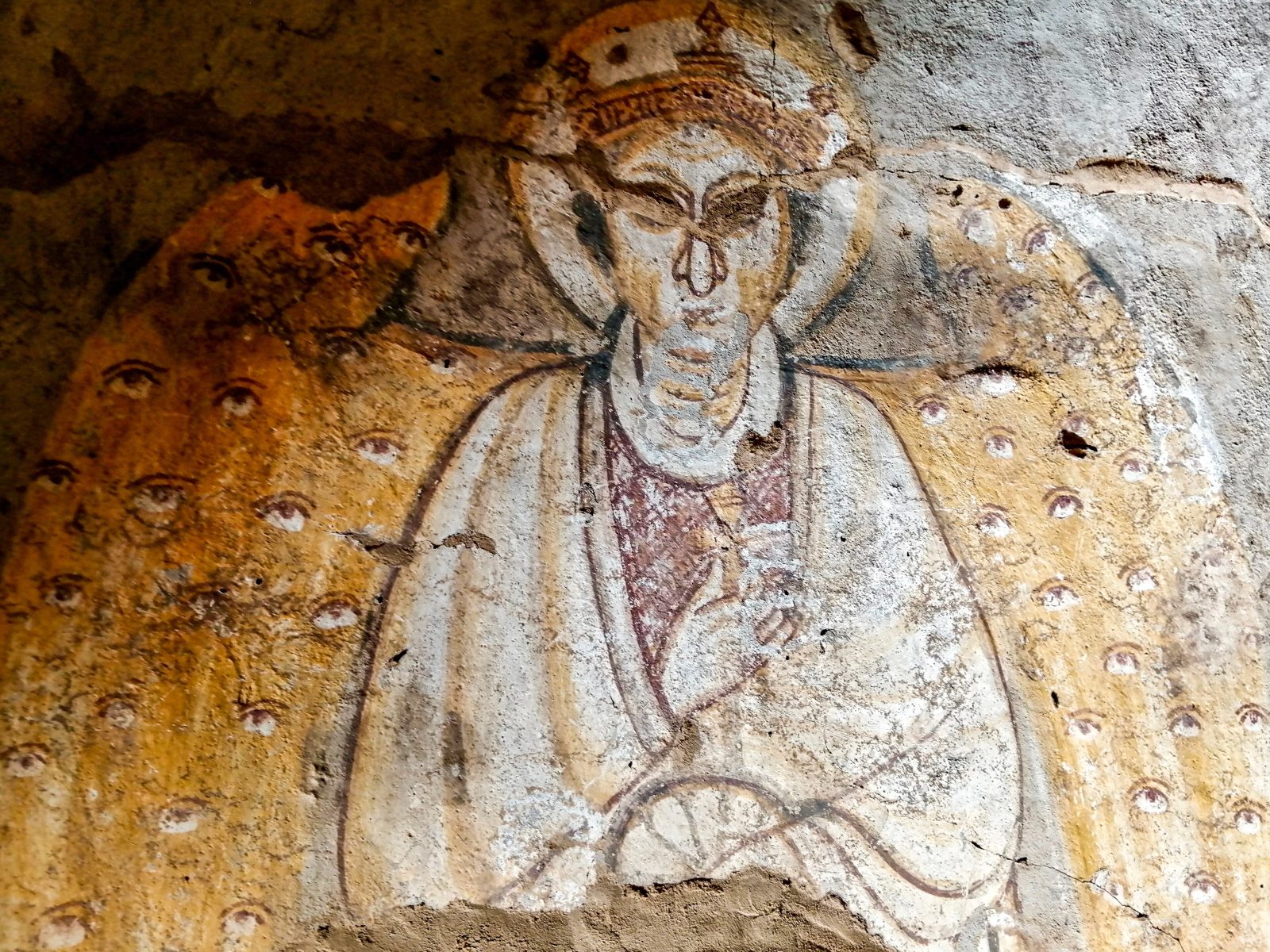
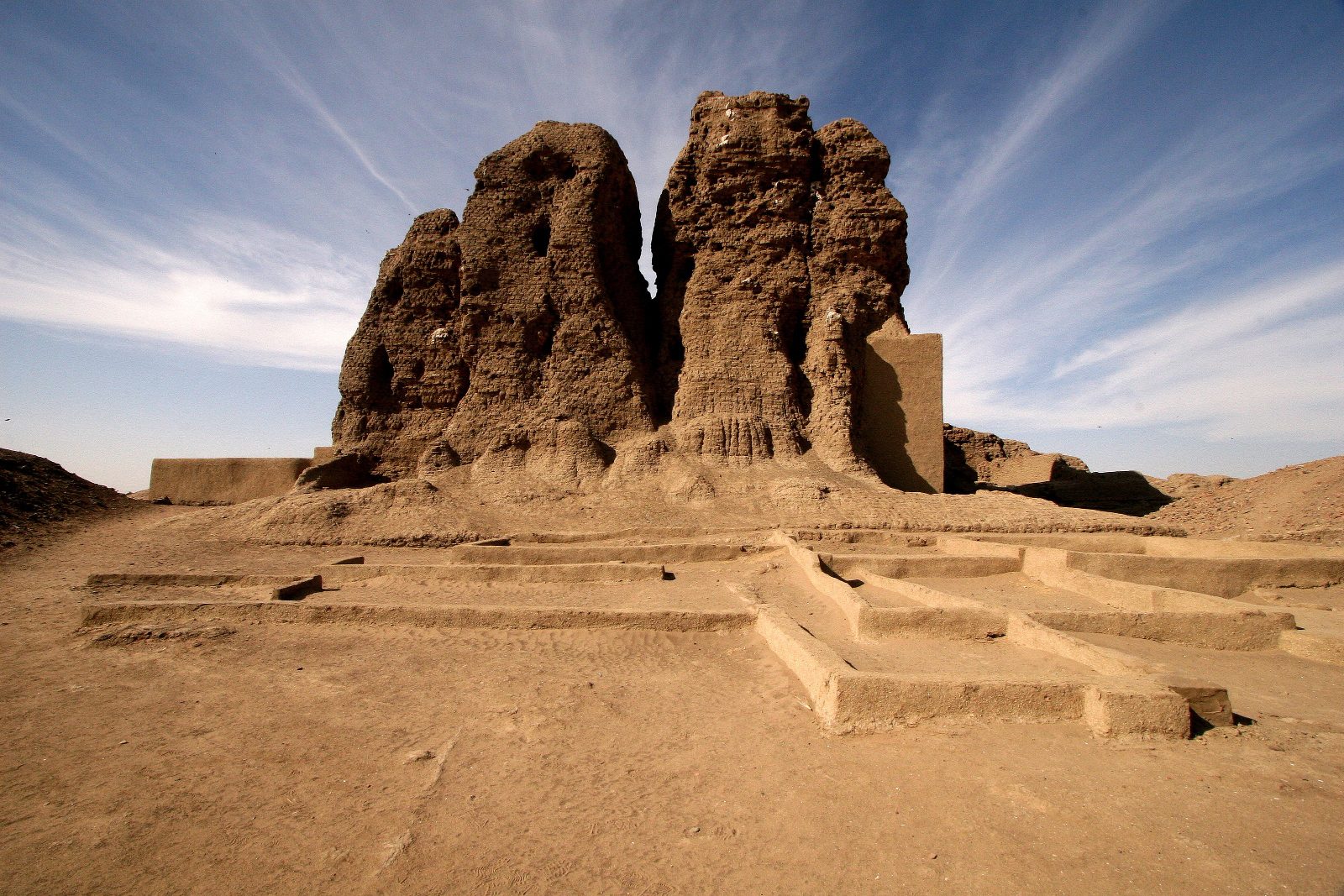
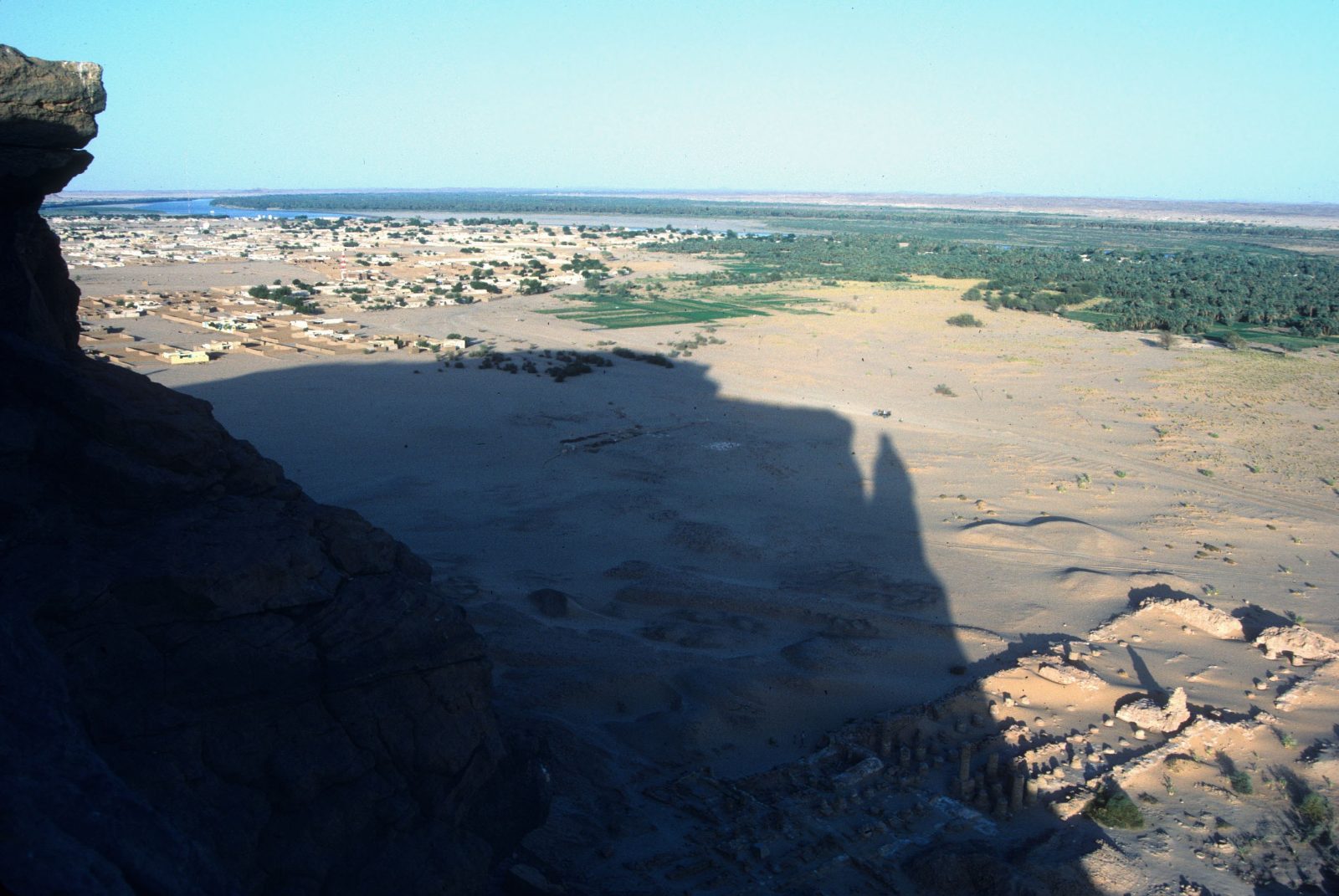
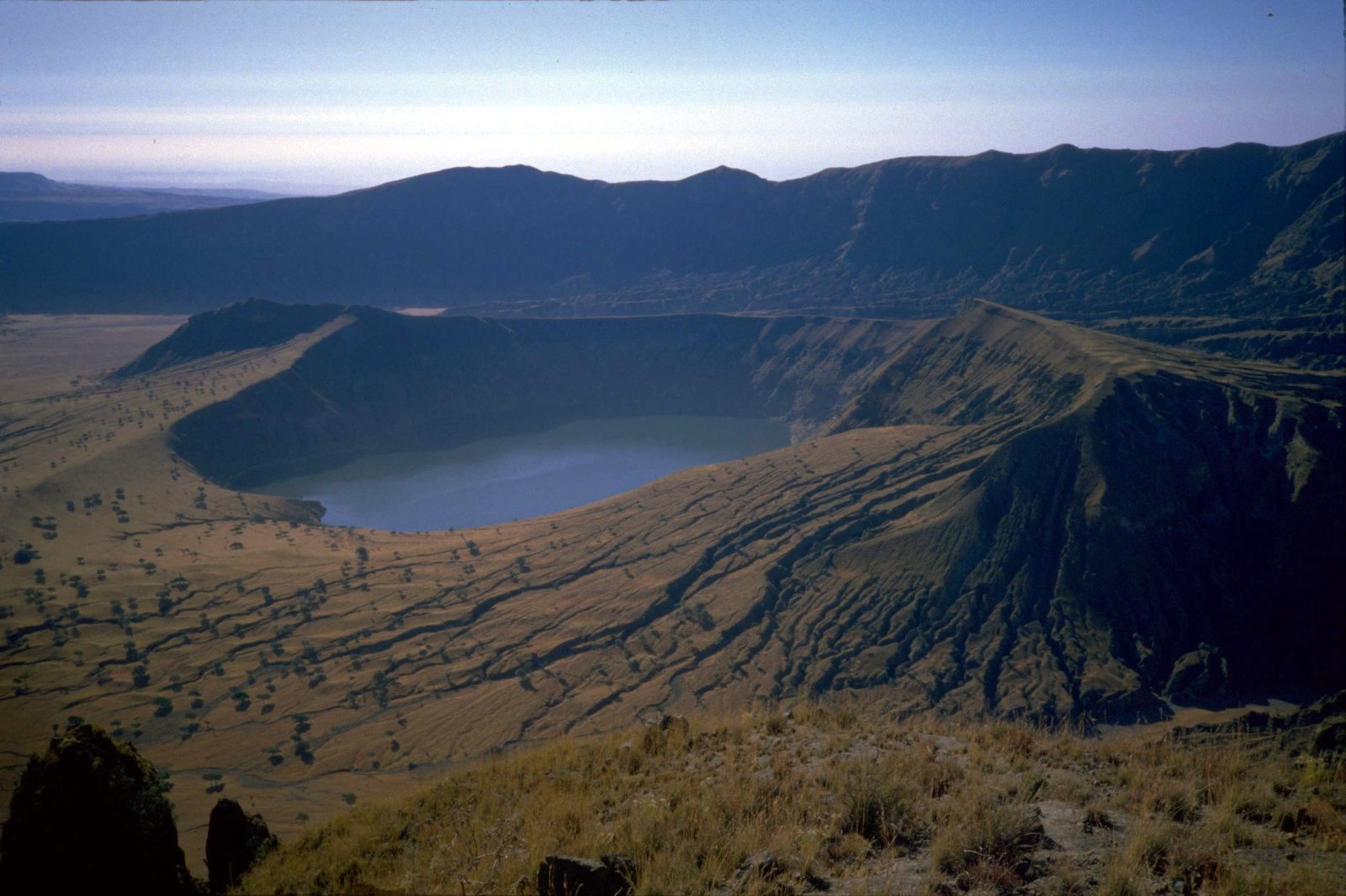
Kush had written in Egyptian hieroglyphs for centuries. Then, in about the 3rd century BC, its scribes built something of their own: two scripts for one language — a hieroglyphic form for monuments and temple walls, and a flowing cursive for everyday writing, on papyrus, parchment, potsherds and ostraca. The cursive did the daily work; the hieroglyphs did the ceremony.
Twenty-three signs, and one invention
Each script carries 23 signs: 15 consonants, 4 vowels — one of them only ever appearing at the start of a word — and 4 syllable signs, for ne, se, te and to. Texts ran right to left, and sometimes vertically.
And Meroitic did something almost no ancient script did: it marked where one word ended and the next began, with a separator resembling a colon. Egyptian hieroglyphs ran unbroken. Greek ran unbroken. Kush wrote with the equivalent of spaces, more than two thousand years ago.
Deciphered, and still silent
In 1909 the British archaeologist Francis Llewellyn Griffith found the key — a stand bearing the names of Meroitic rulers in both Meroitic and Egyptian hieroglyphs. From it he matched the two Meroitic scripts to each other and to sound. Every sign can now be pronounced.
What is still missing is meaning. There is no Rosetta Stone for Meroitic — no long bilingual text against a language we know. So a few thousand surviving inscriptions can be read aloud and only partly understood: royal names, gods, titles, borrowed Egyptian words. The linguist Claude Rilly has since placed Meroitic in the Northern Eastern Sudanic branch of Nilo-Saharan, alongside Nubian, Nara, Tama and Nyimang — which is slowly opening the vocabulary from the side.
It is, in the most literal sense, a living archive still waiting to be read.
كتبت كوشُ بالهيروغليفية المصرية قروناً. ثم، نحو القرن الثالث قبل الميلاد، بنى كتبتها شيئاً خاصاً بهم: كتابتين للغةٍ واحدة — صورةٌ هيروغليفية للنُّصُب وجدران المعابد، وخطٌّ متصلٌ سيّالٌ للكتابة اليومية على البردي والرقّ والشقافات. الخطُّ المتصل كان يؤدي العمل اليومي، والهيروغليفية تؤدي الاحتفال.
ثلاثةٌ وعشرون علامة، وابتكارٌ واحد
تحمل كلُّ كتابةٍ 23 علامة: خمس عشرة صامتة، وأربع صائتة — إحداها لا ترد إلا في أول الكلمة — وأربع علاماتٍ مقطعية لـني وسي وتي وتو. وكانت النصوص تجري من اليمين إلى اليسار، وأحياناً رأسياً.
وفعلت المروية ما لم تكد تفعله كتابةٌ قديمة: أشارت إلى حيث تنتهي كلمةٌ وتبدأ أخرى، بفاصلٍ يشبه النقطتين. الهيروغليفية المصرية كانت تجري متصلة، واليونانية كذلك. أما كوش فكتبت بما يعادل المسافات، قبل أكثر من ألفي عام.
فُكَّت رموزها، وما زالت صامتة
في عام 1909 وجد الأثريّ البريطاني فرانسيس لويلين غريفيث المفتاح — قاعدةٌ تحمل أسماء ملوكٍ مرويين بالمروية والهيروغليفية المصرية معاً. ومنها طابق بين الكتابتين المرويتين وبين الأصوات. فصار كلُّ علامةٍ اليوم يُنطق.
والناقص هو المعنى. فلا حجر رشيد للمروية — لا نصَّ ثنائيَّ اللغة طويلاً بإزاء لغةٍ نعرفها. ولذلك تُقرأ آلافُ النقوش الباقية بصوتٍ عالٍ ولا تُفهم إلا جزئياً: أسماءُ ملوكٍ وآلهةٍ وألقابٌ وكلماتٌ مستعارة. وقد وضع اللغويّ كلود ريلي المرويةَ في فرع السودانية الشرقية الشمالية من الأسرة النيلية الصحراوية، إلى جانب النوبية والنارا والتاما والنيمانج — وهو ما يفتح المعجم رويداً من جانبه.
إنها، بالمعنى الحرفيّ تماماً، أرشيفٌ حيٌّ ما زال ينتظر من يقرأه.